

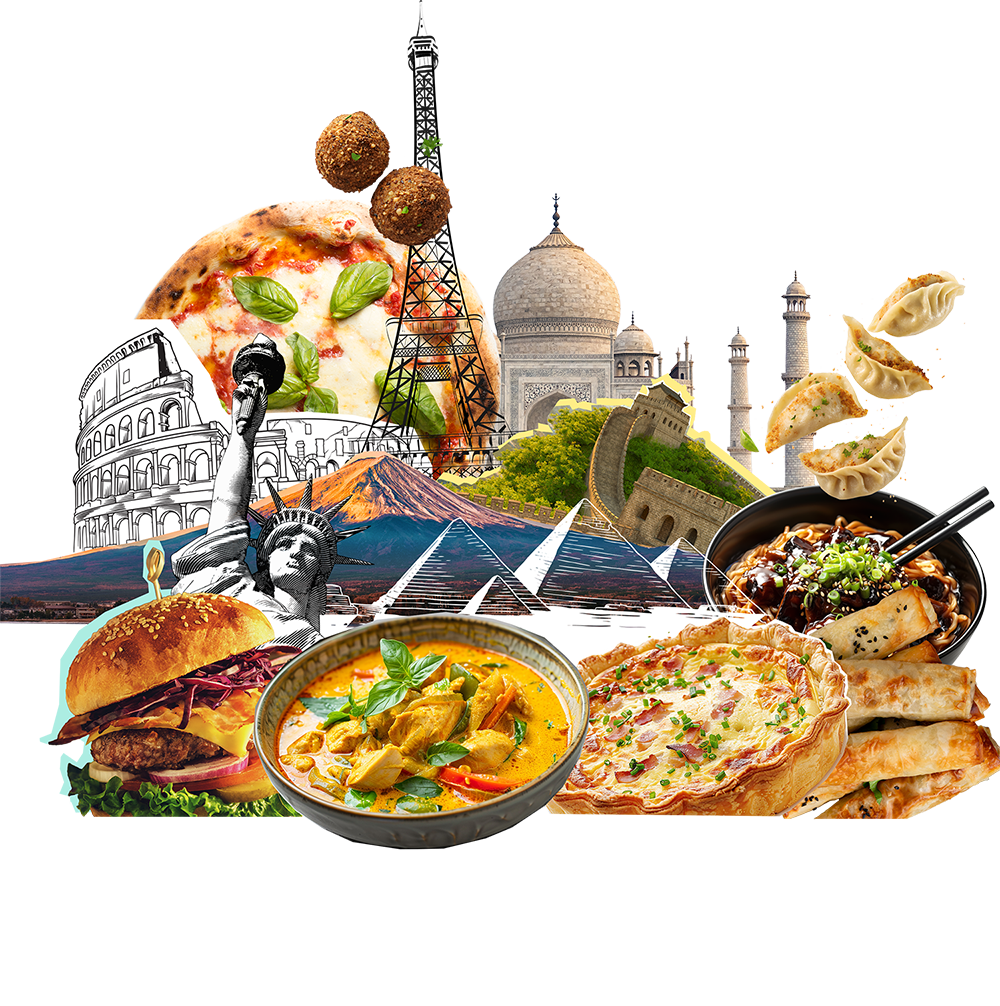

Food is an expression of culture, heritage and community. Across the world, traditional recipes, regional ingredients and typical spices are used to create dishes with their own unique character. They tell stories, bring generations together and introduce new flavours to the table. International dishes add variety to everyday life and invite you to set off on a culinary journey.


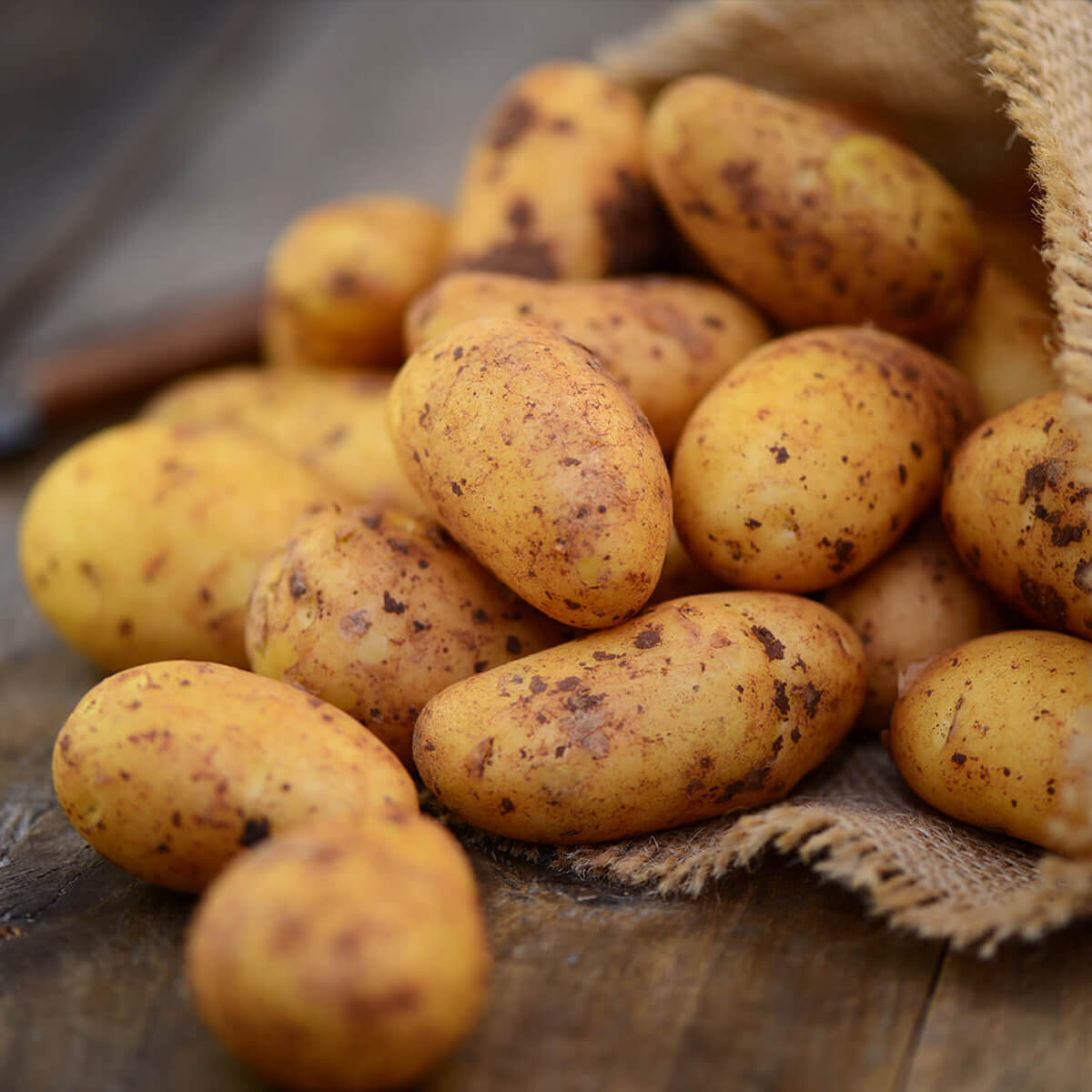
An integral part of German cuisine today, the potato originally comes from the Andes in Peru. It arrived in Europe in the 16th century and went on to become an indispensable staple food here.
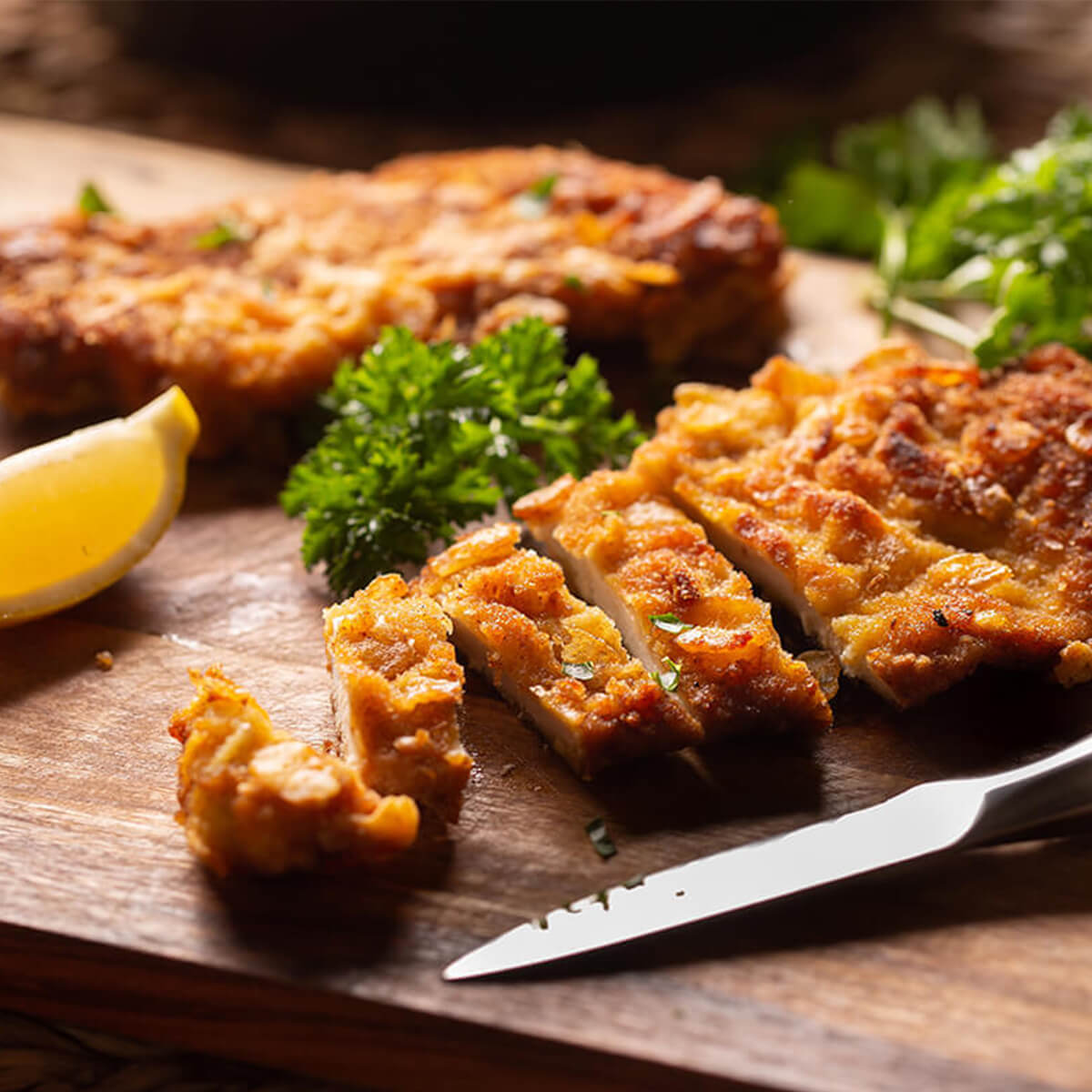
Appreciated as a classic dish of German cuisine, similar preparations can be traced back to northern Italy. From there, the idea of breaded meat spread throughout Central Europe.
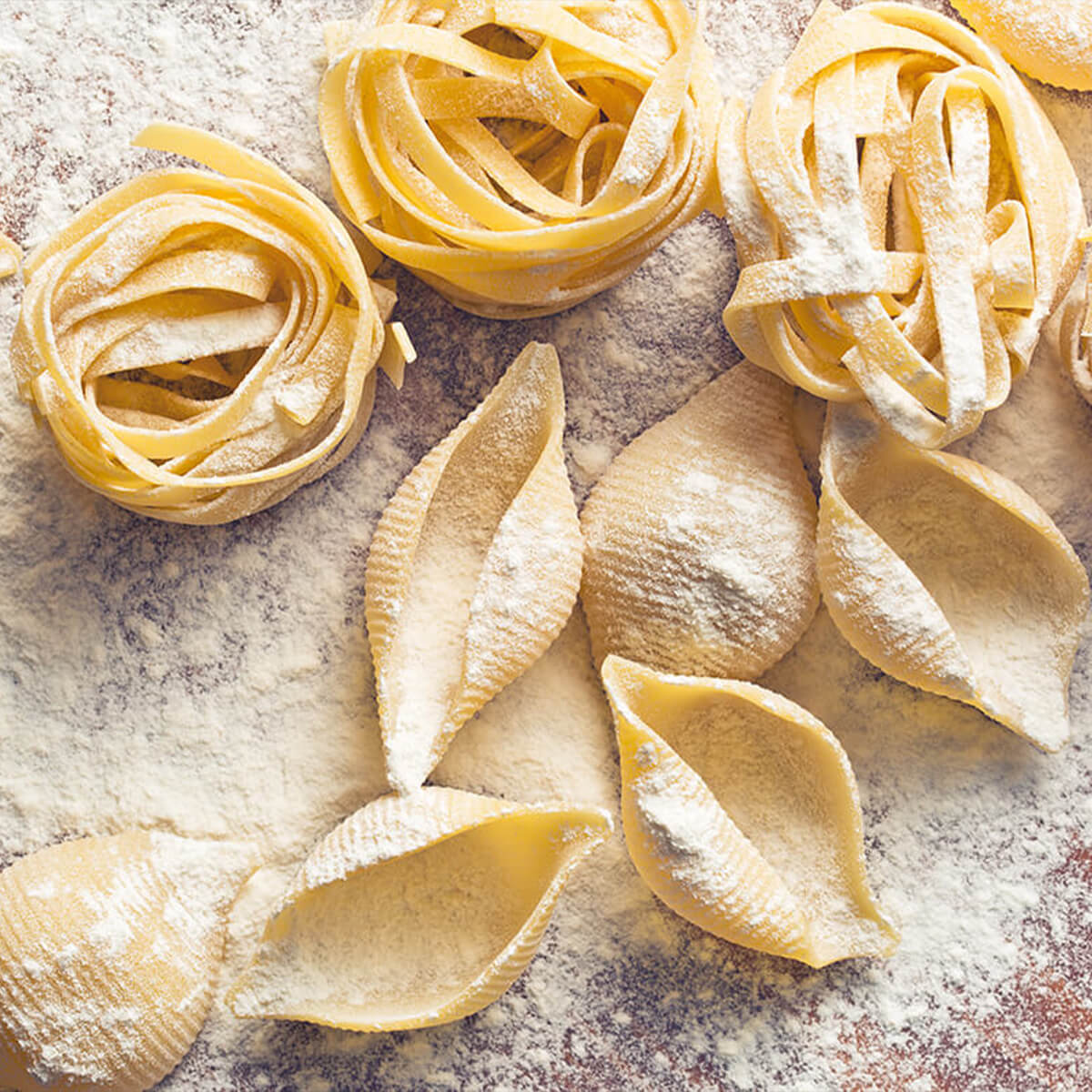
Known as the epitome of Italian food culture, early forms of pasta probably originated in China. They were disseminated along trade routes and were developed further in Italy into what is known as pasta today.
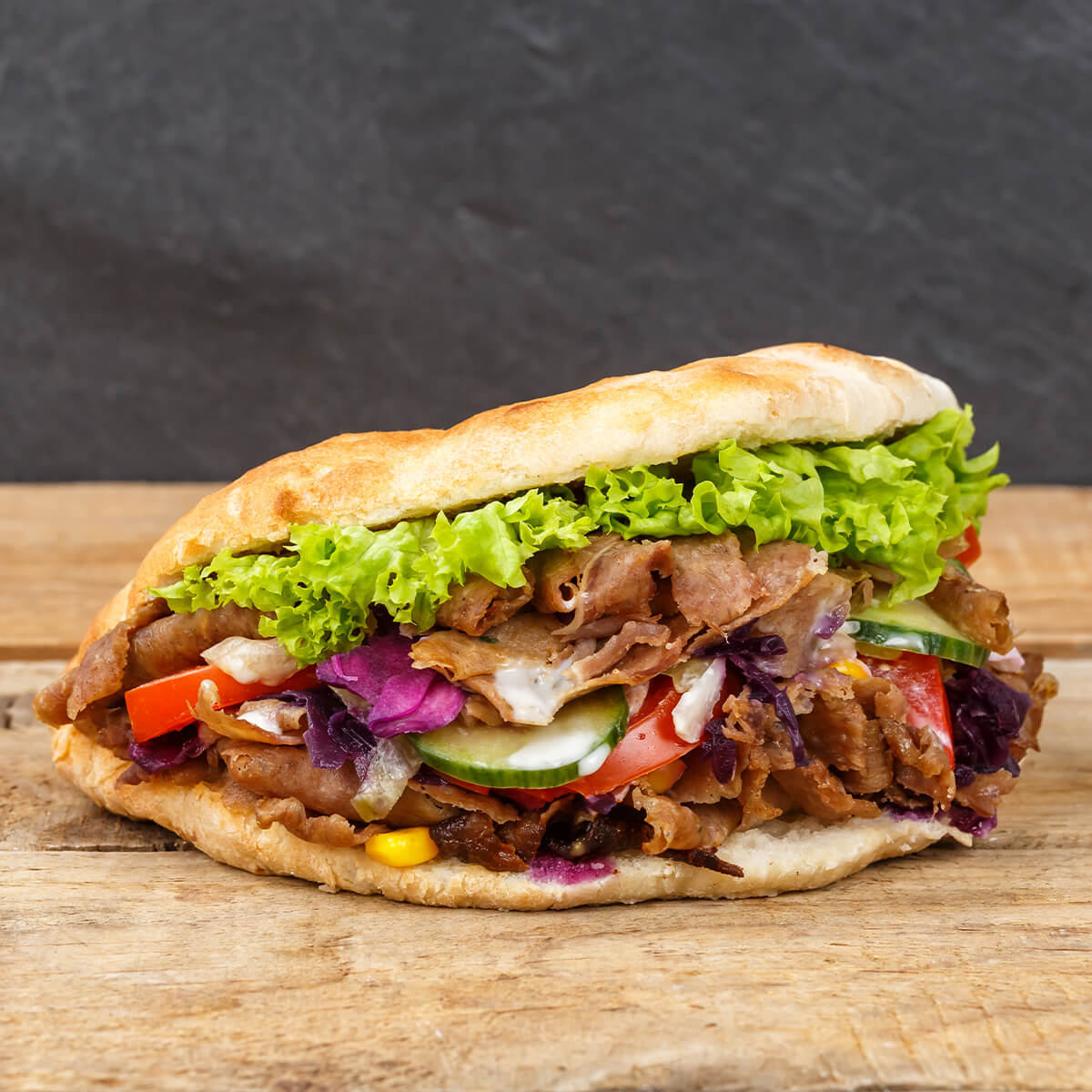
Often perceived as a typical Turkish dish, the kebab, which is served in flat bread in its current form, was first created in Germany. Turkish immigrants developed a quick street food dish in Berlin in the 1970s, which was based on the traditional rotisserie, thereby creating a key element German food culture.
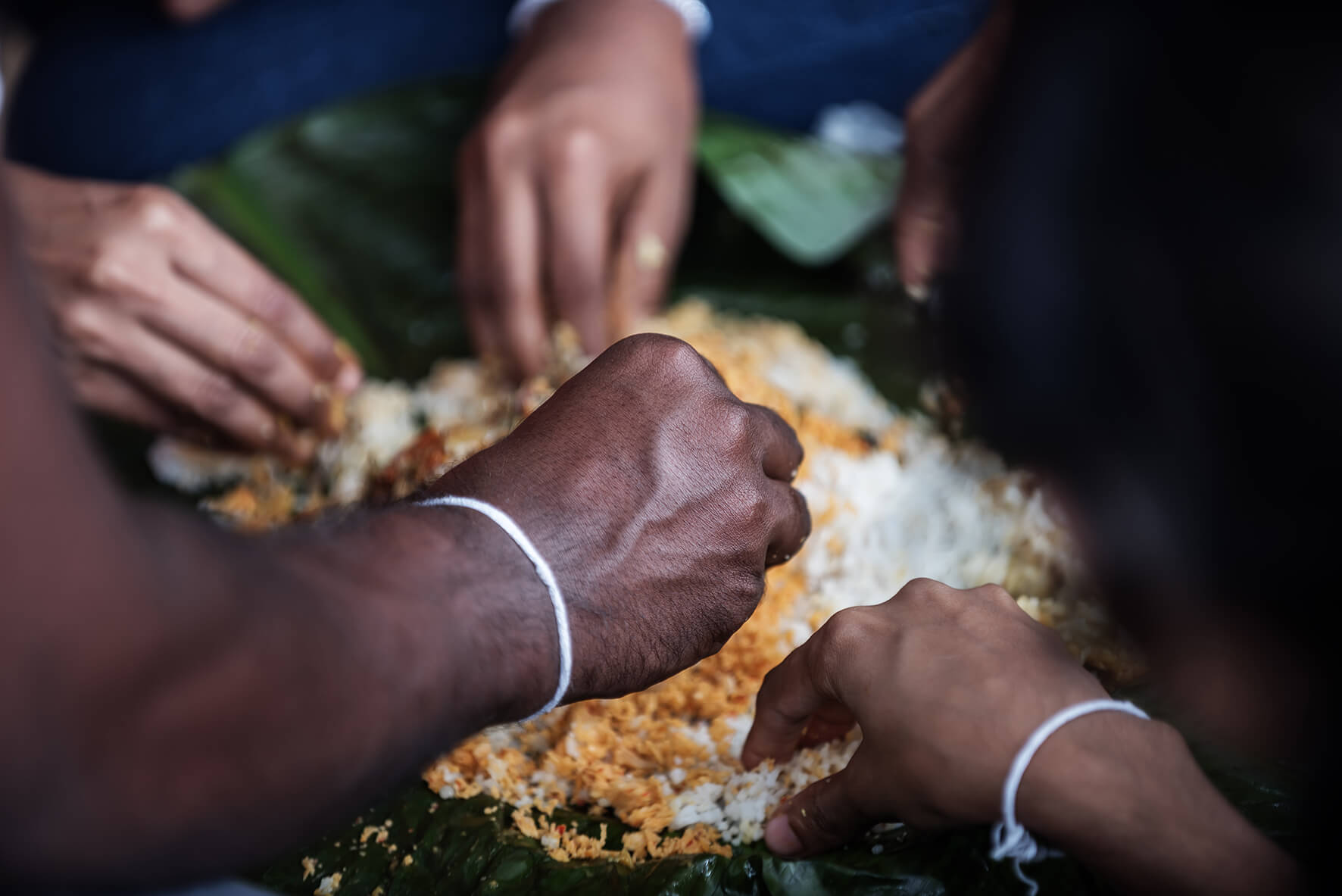
Eating follows its own rules and rituals around the world. Whether eaten with the hands, with chopsticks or shared from a bowl, it reflects values, community and tradition. Eating habits shape everyday life and succeed at bringing culture to life at the table. Discover how table manners vary around the world.
It is customary to eat food with one's hands in India, the Middle East and parts of Africa. The dishes are consciously savoured, absorbed and shared. This form of eating is intended to promote community and strengthen the connection between people and meals.
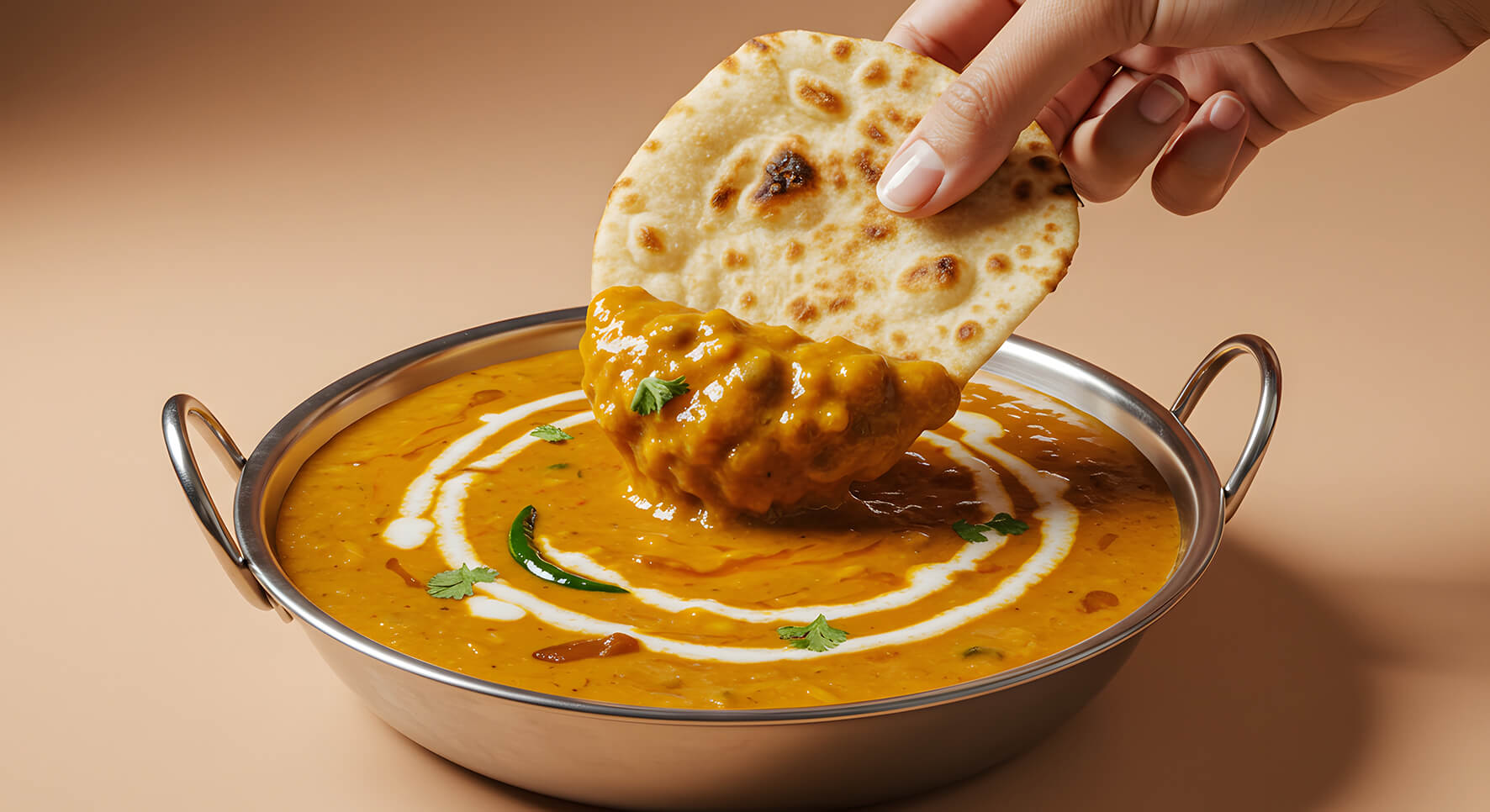
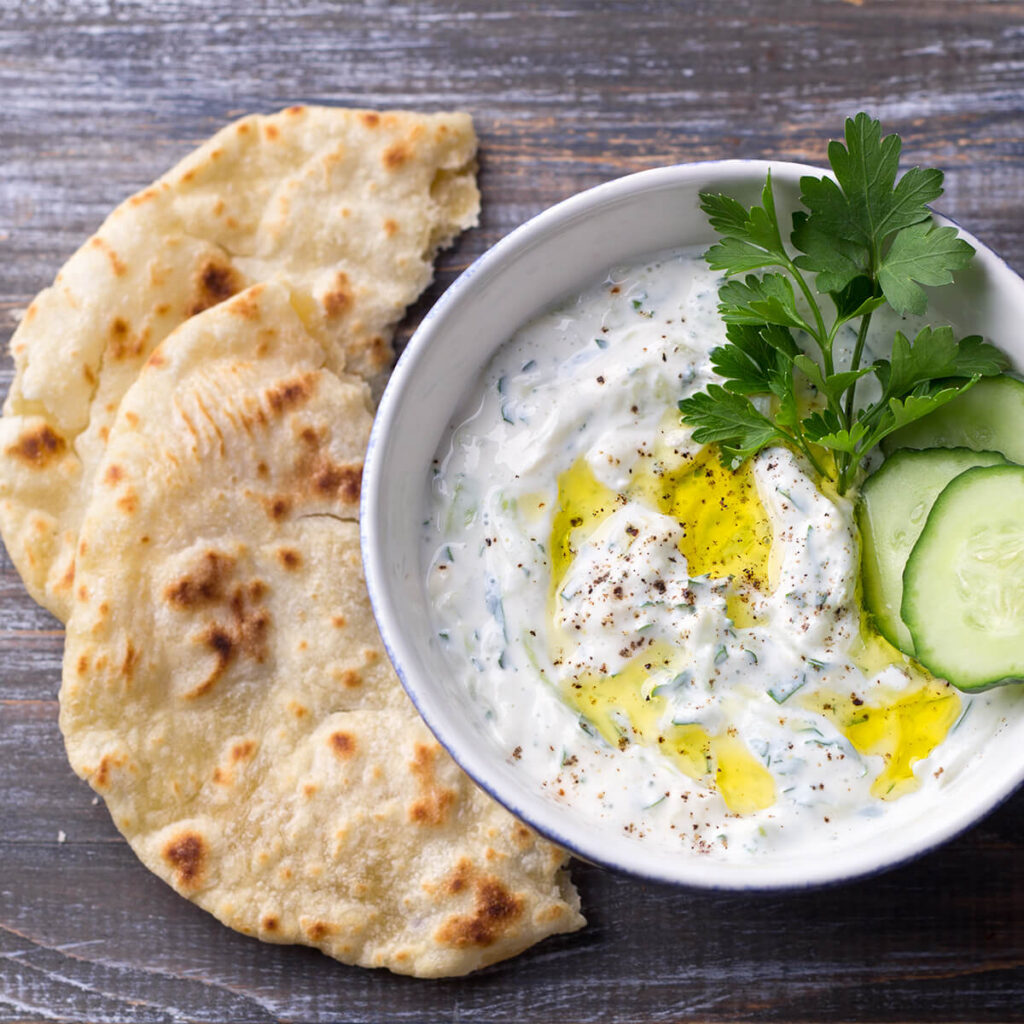
In the Middle East, North Africa and parts of the Mediterranean region, bread often replaces knives and forks. Flat bread is used to scoop up food and sauces. This custom combines practical eating with communal sharing.
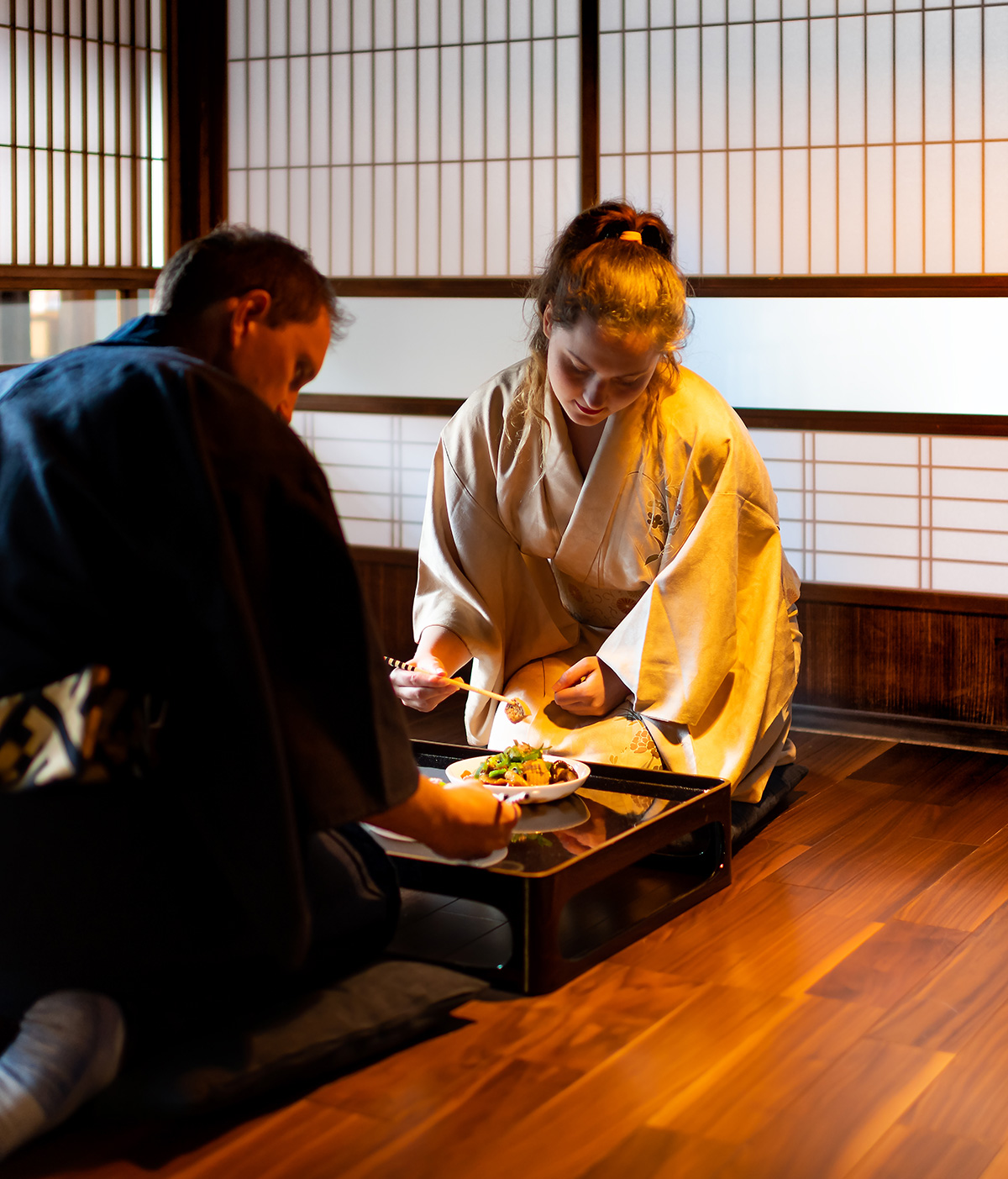
In Japan, India and parts of South-east Asia, meals are traditionally eaten while sitting on the floor. The low table height creates closeness and tranquillity. This attitude stands for mindfulness, respect and conscious communal eating.
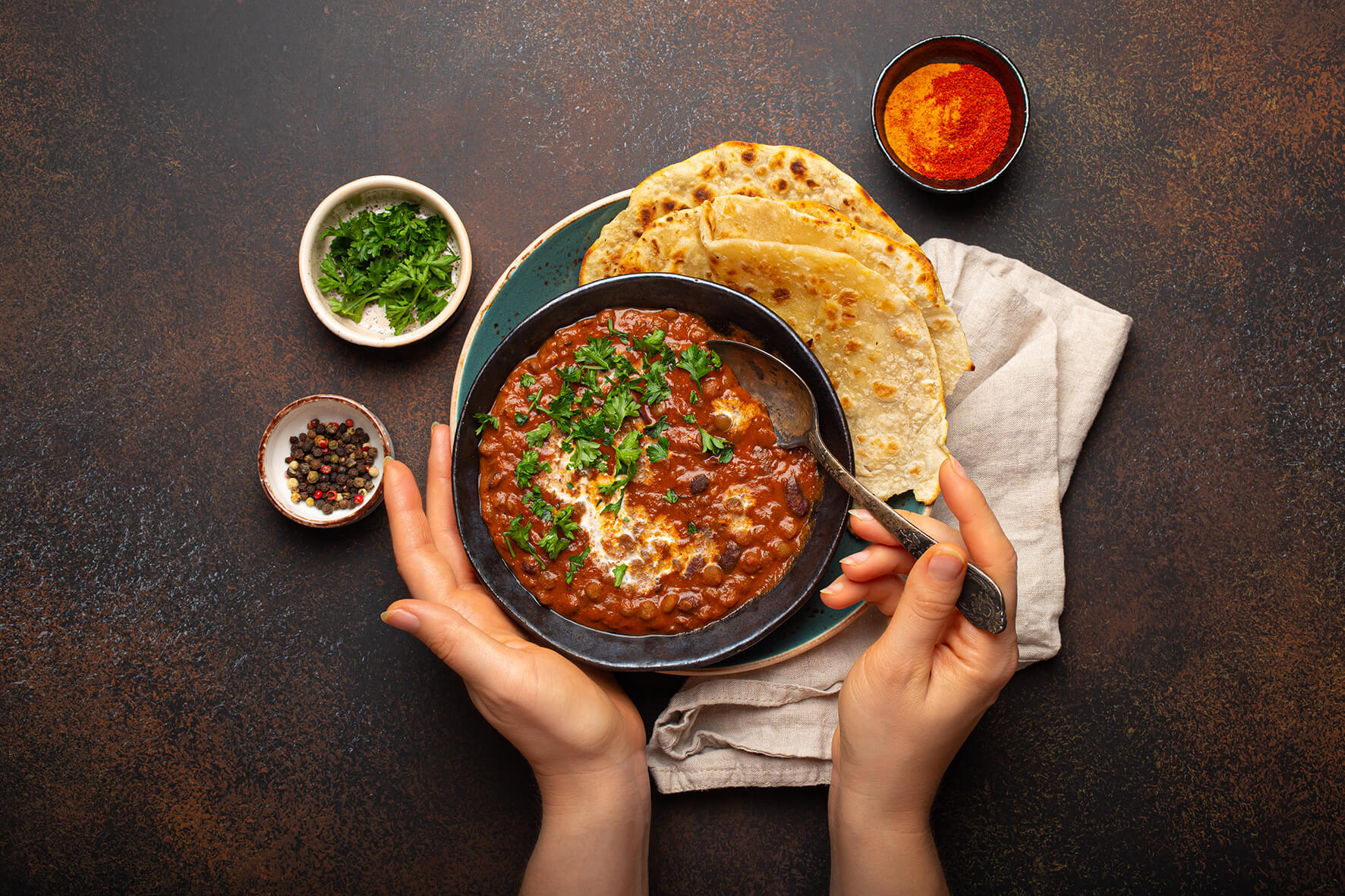
In India, as well as in many regions of the Middle East and Africa, people exclusively eat with their right hand. The left hand is traditionally considered unclean. This rule is an expression of cultural values and deeply rooted table traditions.
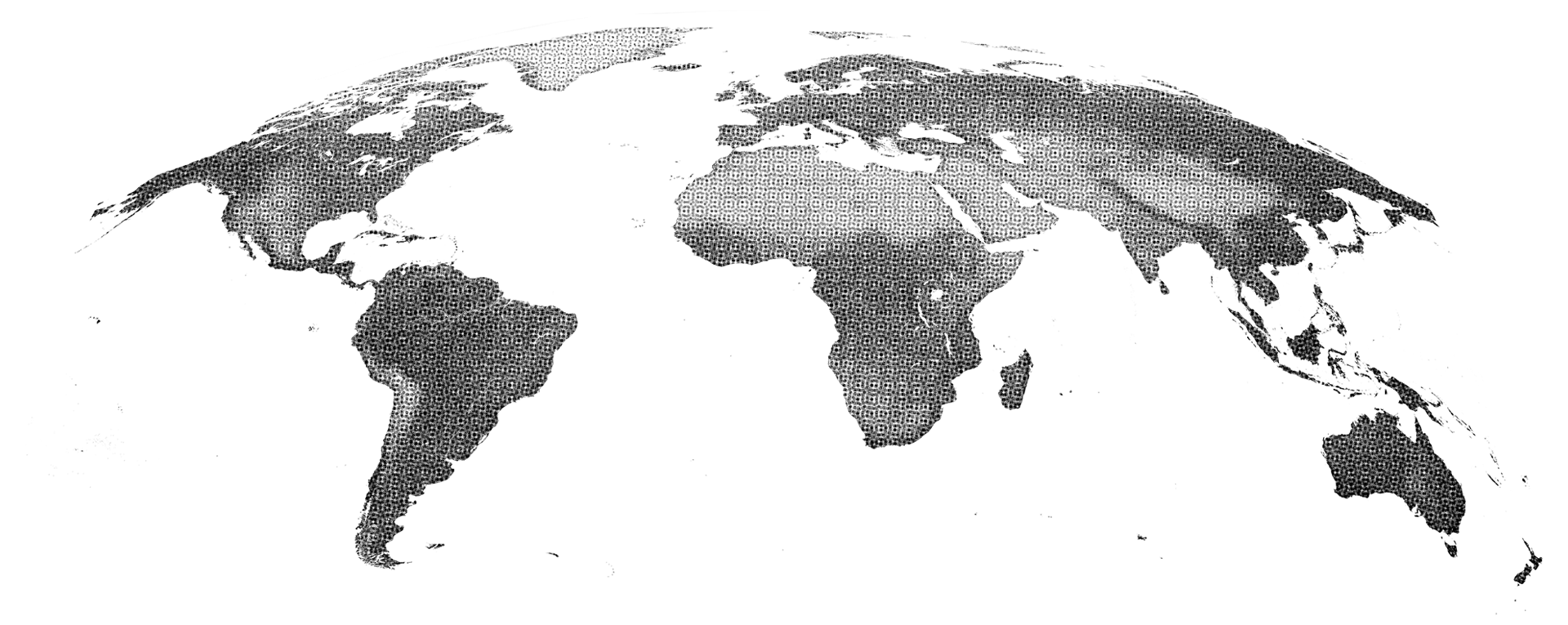
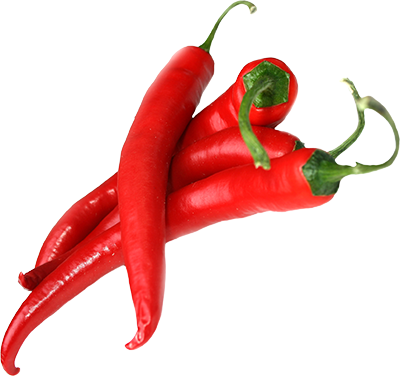
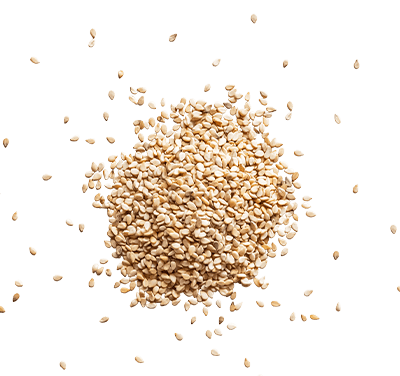
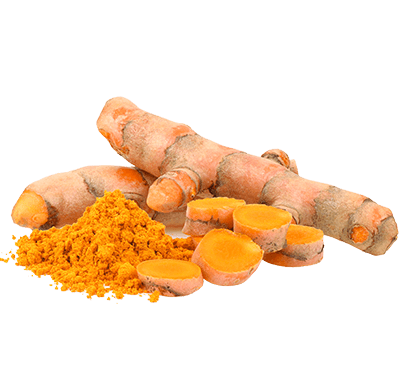
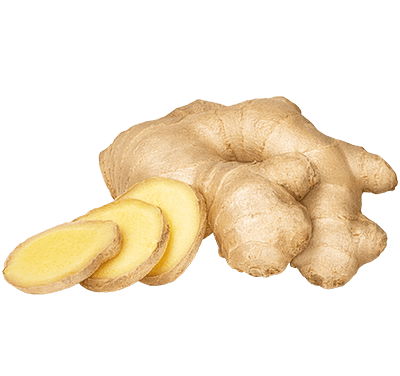
Spices are the respective cuisine’s passport. They say a great deal about the regions, climate and traditions, and give dishes their distinctive character. From warm, earthy notes to fresh spiciness, they characterise food cultures around the world. On the world map, we show where spices come from, and how they influence the flavours of different countries. This turns every meal into a little voyage of discovery.


How food is prepared is as important as the ingredients themselves. Whether cooked over open embers, in a closed clay pot or steamed gently, each method tells a story about climate, culture and craftsmanship. Discover three special techniques that shape cuisine around the world.
Food is cooked in a cylindrical clay oven, the traditional tandoor, at very high temperatures. Meat, bread or vegetables take on a smoky aroma and a characteristic crust from the direct heat, while remaining juicy on the inside.
In a cone-shaped clay pot, the tajine, ingredients slowly cook in their own juices. The gentle heat allows meat, vegetables and spices to develop an intense aroma and a particularly tender texture.
Steam cooking involves gently cooking food over steam. This method preserves flavours, nutrients and texture particularly well and is an integral part of many cuisines in China, Japan and East Asia.
Serves 4
Serves 4
Serves 4
Send us your photo of your highlight by email to catering-aktionen@apetito-catering.de or use our form.
Cook the linguine in plenty of salted water until al dente. Then drain, reserving one cup of the cooking water.
Melt the butter in a large pan and briefly sauté the garlic.
Add baby spinach and sugar snap peas, then sauté for 2–3 minutes until glazed.
Stir in the cream and crème fraîche. Add the Parmesan and simmer the sauce gently until creamy. Season to taste with salt, pepper, nutmeg and a dash of lemon juice.
Add the cooked linguine to the sauce and mix well. If the sauce becomes too thick, add some of the cooking water.
Garnish with fresh parsley and serve.
Cook the wok noodles according to the instructions on the packet and set aside.
Beat the eggs in a bowl, salt them slightly and fry them in a pan with a little sesame oil to make fluffy scrambled eggs, then set aside.
Heat the remaining sesame oil in a wok or large frying pan. Fry the leek, garlic and mushrooms until lightly browned.
Add the soy bean sprouts and fry for 2 minutes.
Add the cooked noodles, soy sauce, oyster sauce and sugar and mix everything well.
Carefully fold in the scrambled eggs and heat briefly.
Sprinkle with roasted sesame seeds and spring onions and serve.
For the meatballs:
For the cream sauce:
For the mashed potatoes:
To serve:
Preparing the meatballs:
Preparing the cream sauce:
Preparing the mashed potatoes:
Serve:
Serve the meatballs with the cream sauce, mashed potatoes and a spoonful of wild cranberries.
Preparation:
Fry the chicken and vegetables:
Add rice and stock:
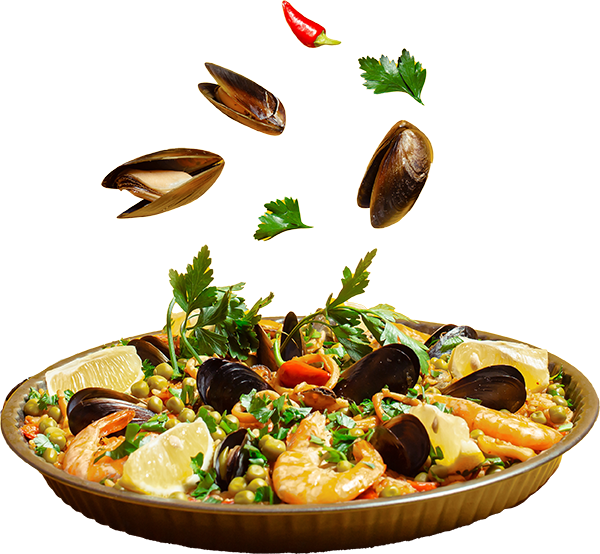
Add seafood and fish: