



About the competition

Visual eines Koffers - Collage
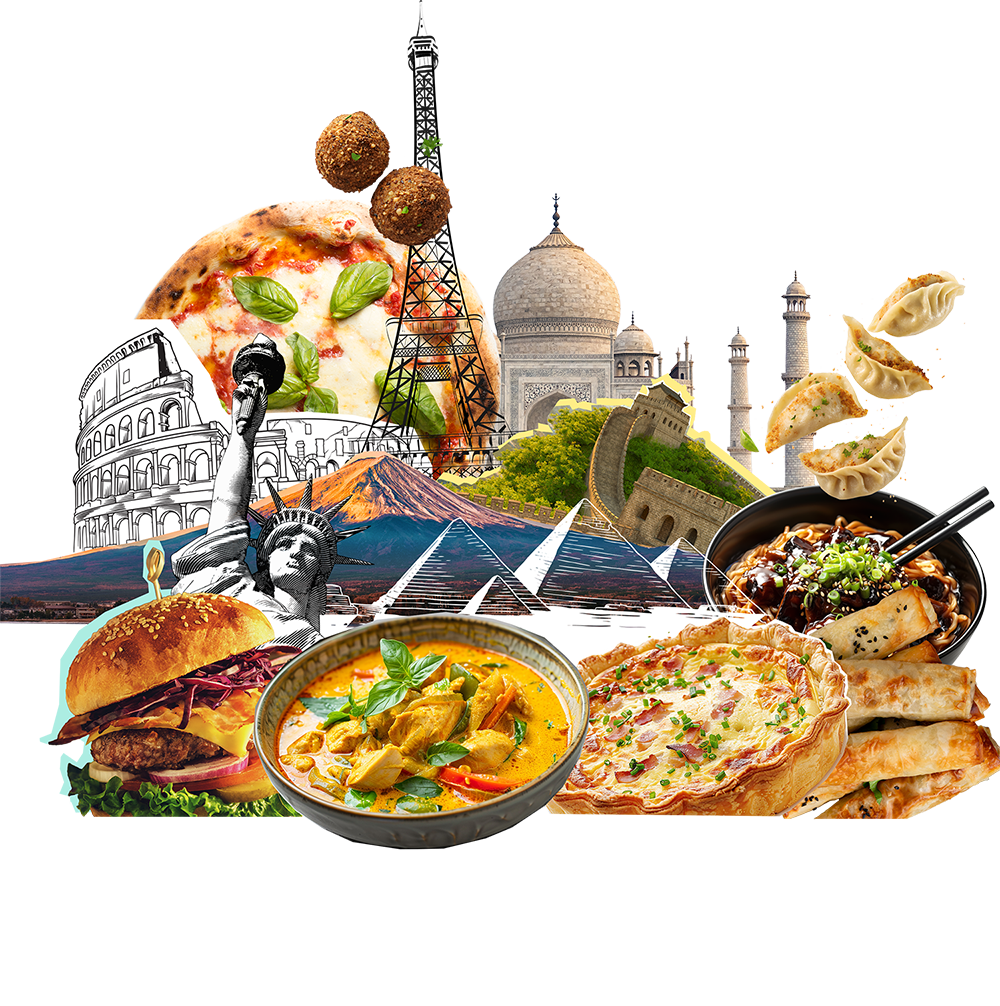
Keyvisual zu Kulinarische Vielfalt weltweit entdecken

CULINARY DIVERSITY FROM AROUND THE WORLD

Food is an expression of culture, heritage and community. Across the world, traditional recipes, regional ingredients and typical spices are used to create dishes with their own unique character. They tell stories, bring generations together and introduce new flavours to the table. International dishes add variety to everyday life and invite you to set off on a culinary journey.

TRADITIONAL DISHES FROM AROUND THE WORLD

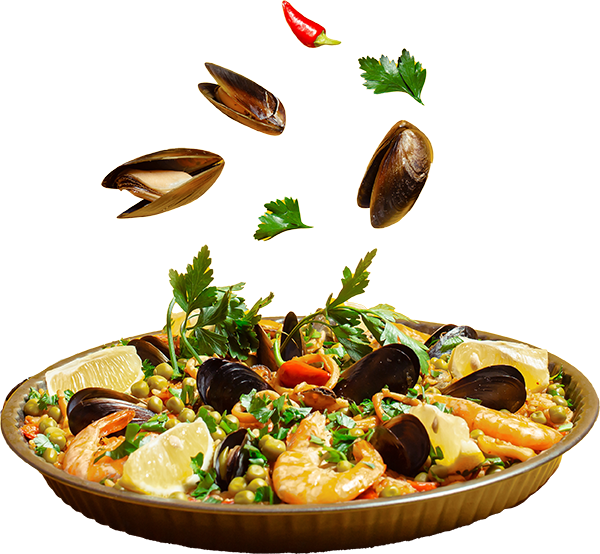
Frische Paella mit allerlei Meeresfrüchten
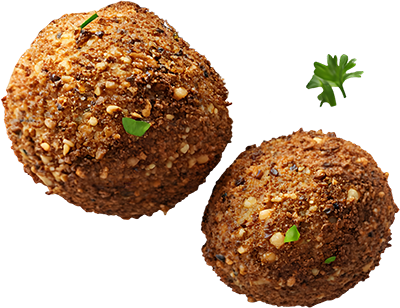
Frische Falafelbällchen
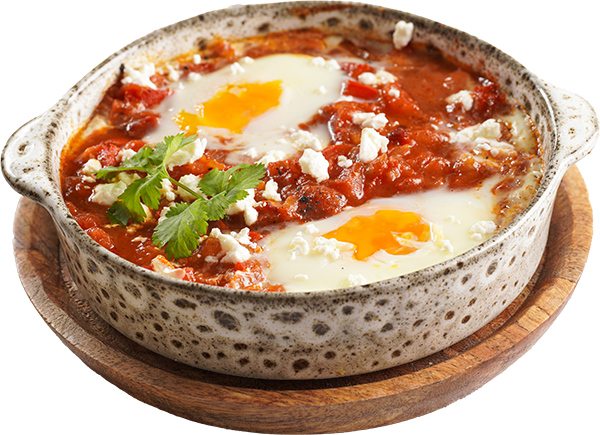
Shakshuka in einem Keramikgefäß
Frischer Cheeseburger mit Rinderpatty, frischen Zwiebeln und Rotkohl
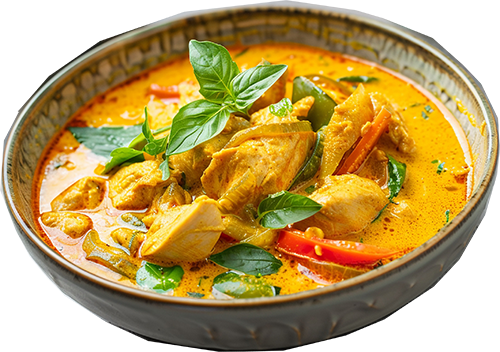
Zu sehen ist eine Schale mit cremigem Curry in einer warm leuchtenden, orangefarbenen Sauce. Im Curry liegen zarte Fleischstücke, grüne Zuckerschoten, rote Paprikastreifen sowie weitere Gemüsestücke. Frische Basilikumblätter garnieren das Gericht und setzen einen kräftigen grünen Akzent.
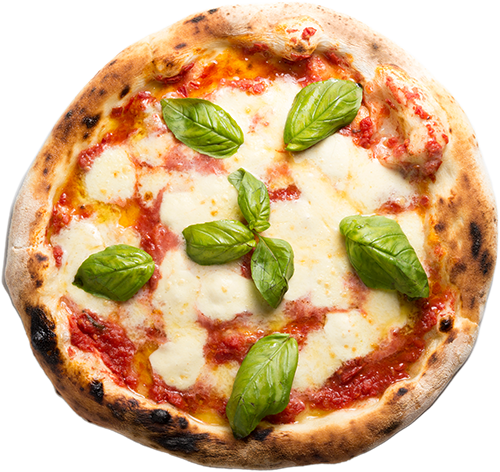
Frische Pizza Margherita mit Basilikum
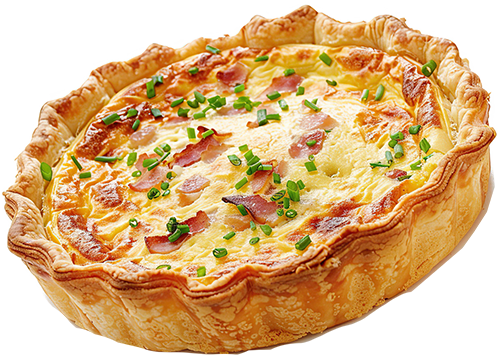
Köstlich gefüllte Quiche mit Schnittlauch und Schinken

Paella

Falafel

Shakshuka

Burger

Curry

Pizza

Quiche

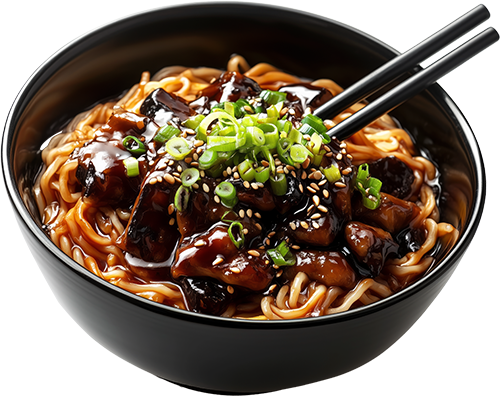
Umami in jedem Bissen – Ramen mit herzhafter Teriyaki Soße und Frühlingszwiebeln als topping
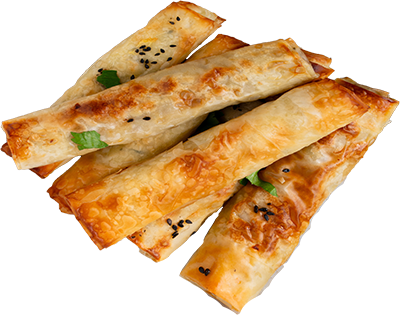
Fruehlingsrollen
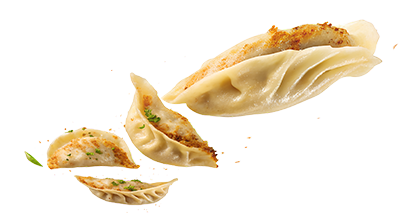
Gyoza mit fleischhaltiger Füllung
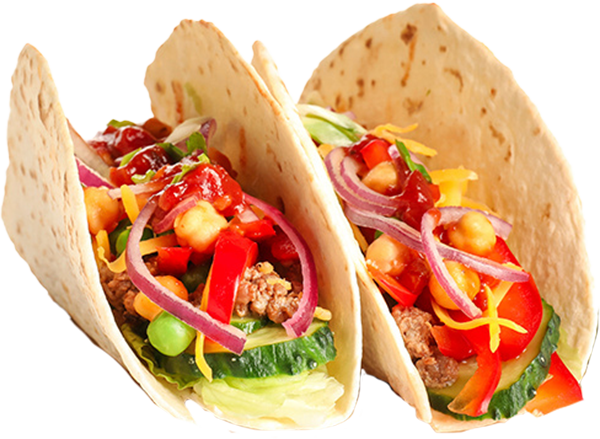
Taccos mit frischem Gemüse und knusprig gebratenem Hackfleisch
Visual eines Einkaufskorbs

GERMAN SHOPPING BASKET

Many products for daily use naturally end up in the shopping basket, yet their origin often remains unknown.

Ramen

Börek

Dumplings

Taccos

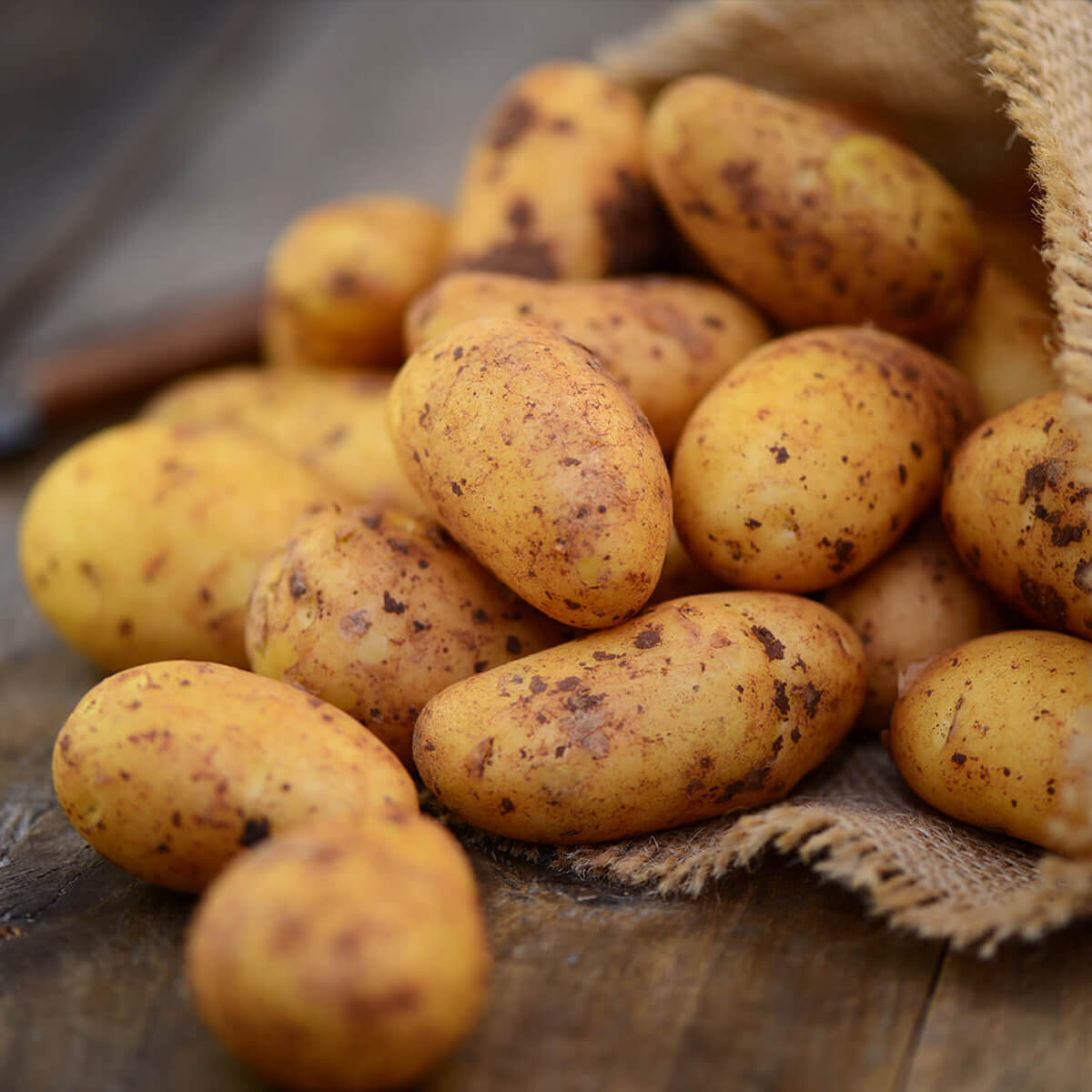
Frische Kartoffeln an denen noch erde Haftet in einem kleinen Jutesack

POTATO

An integral part of German cuisine today, the potato originally comes from the Andes in Peru. It arrived in Europe in the 16th century and went on to become an indispensable staple food here.
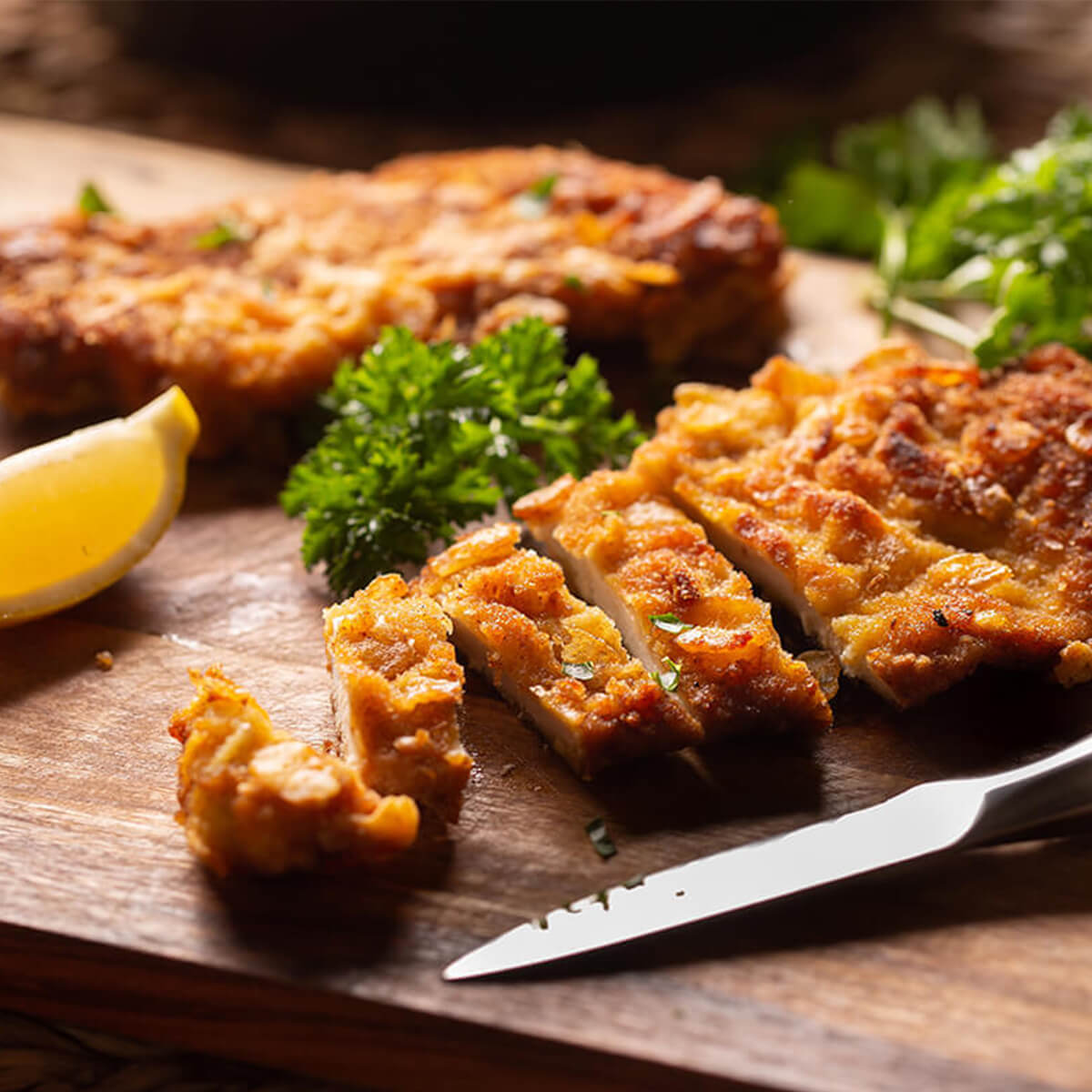
Ein aufgeschnittes Schnitzel auf einem Servierbrett - im Hintergrund liegt noch ein weiteres

Schnitzel

Appreciated as a classic dish of German cuisine, similar preparations can be traced back to northern Italy. From there, the idea of breaded meat spread throughout Central Europe.
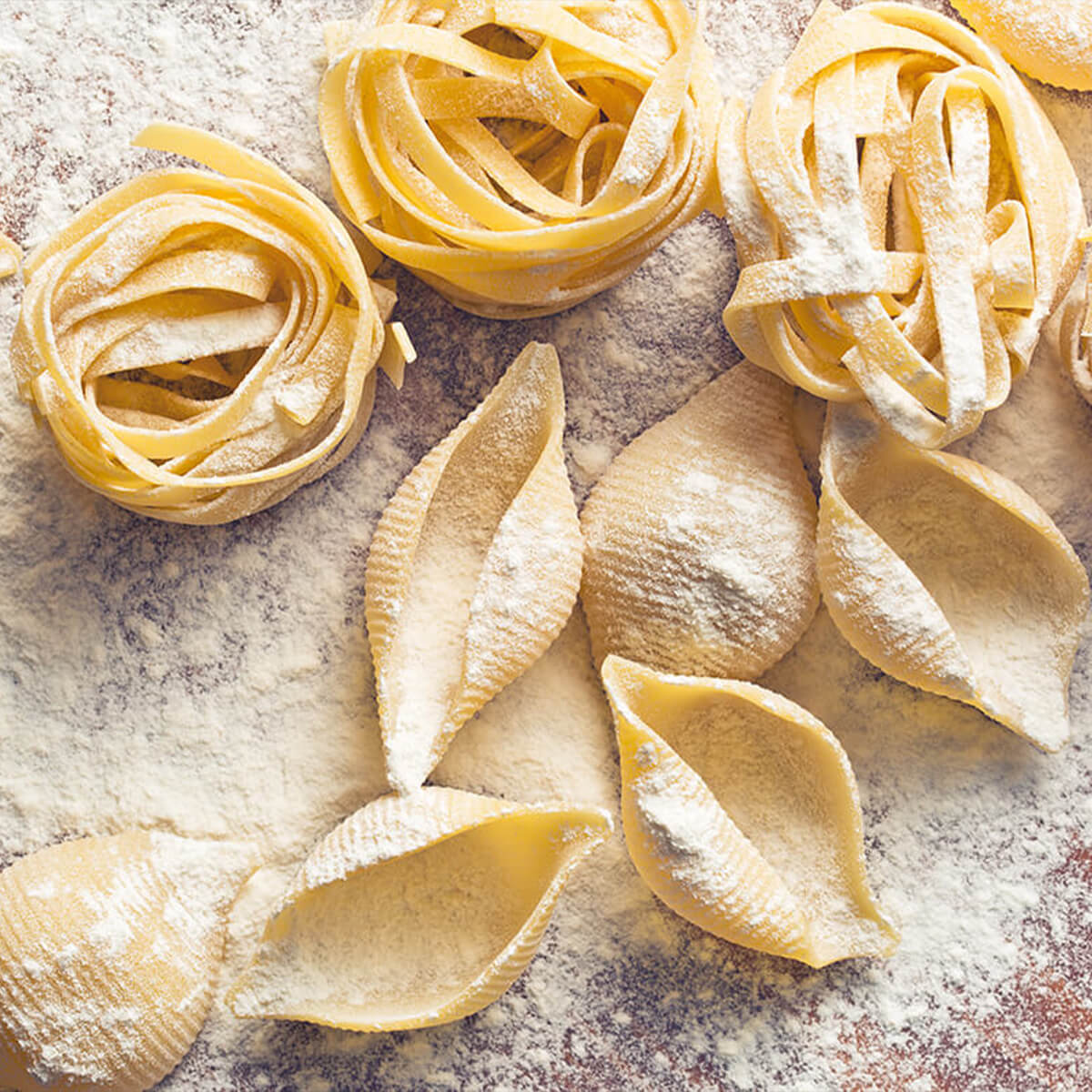
Frische Nudeln gerade erst geformt noch ungekocht im Mehl

Pasta

Known as the epitome of Italian food culture, early forms of pasta probably originated in China. They were disseminated along trade routes and were developed further in Italy into what is known as pasta today.
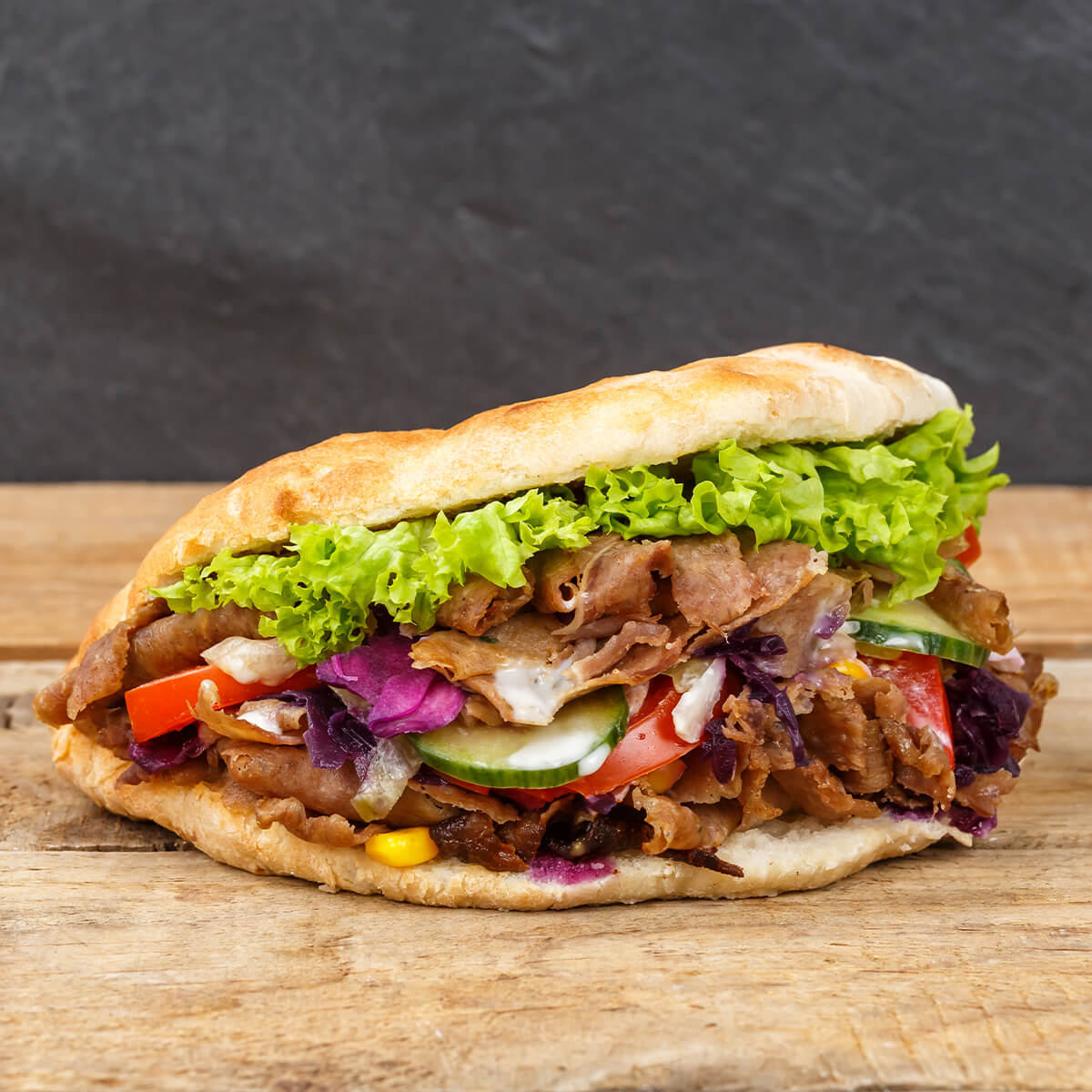
Frischer Döner prall gefüllt mit Fleisch, Salat und Tomaten

KEBAB

Often perceived as a typical Turkish dish, the kebab, which is served in flat bread in its current form, was first created in Germany. Turkish immigrants developed a quick street food dish in Berlin in the 1970s, which was based on the traditional rotisserie, thereby creating a key element German food culture.
How the world eats

EATING HABITS AROUND THE WORLD

Eating follows its own rules and rituals around the world. Whether eaten with the hands, with chopsticks or shared from a bowl, it reflects values, community and tradition. Eating habits shape everyday life and succeed at bringing culture to life at the table. Discover how table manners vary around the world.

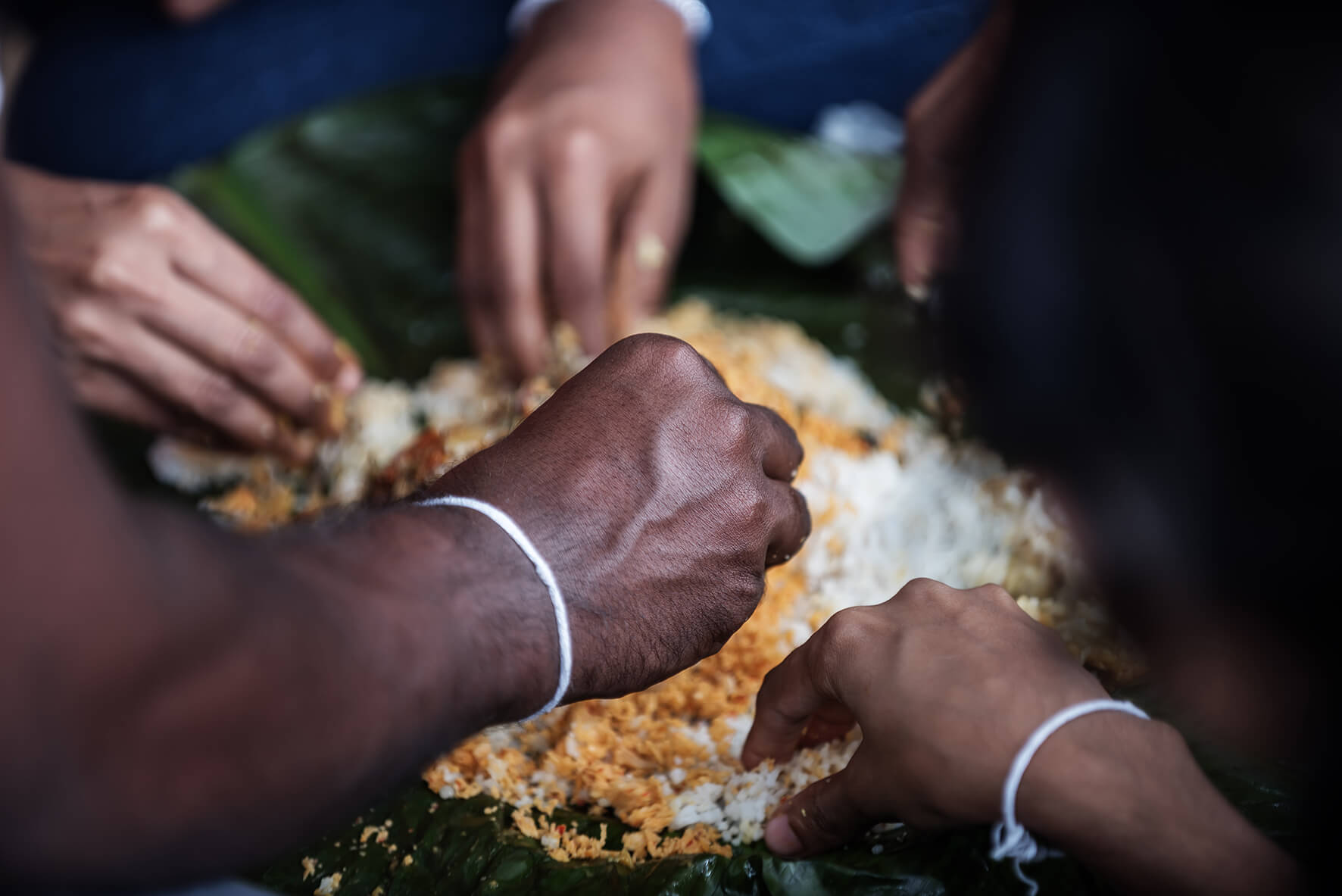
EATING WITH YOUR HANDS

It is customary to eat food with one's hands in India, the Middle East and parts of Africa. The dishes are consciously savoured, absorbed and shared. This form of eating is intended to promote community and strengthen the connection between people and meals.
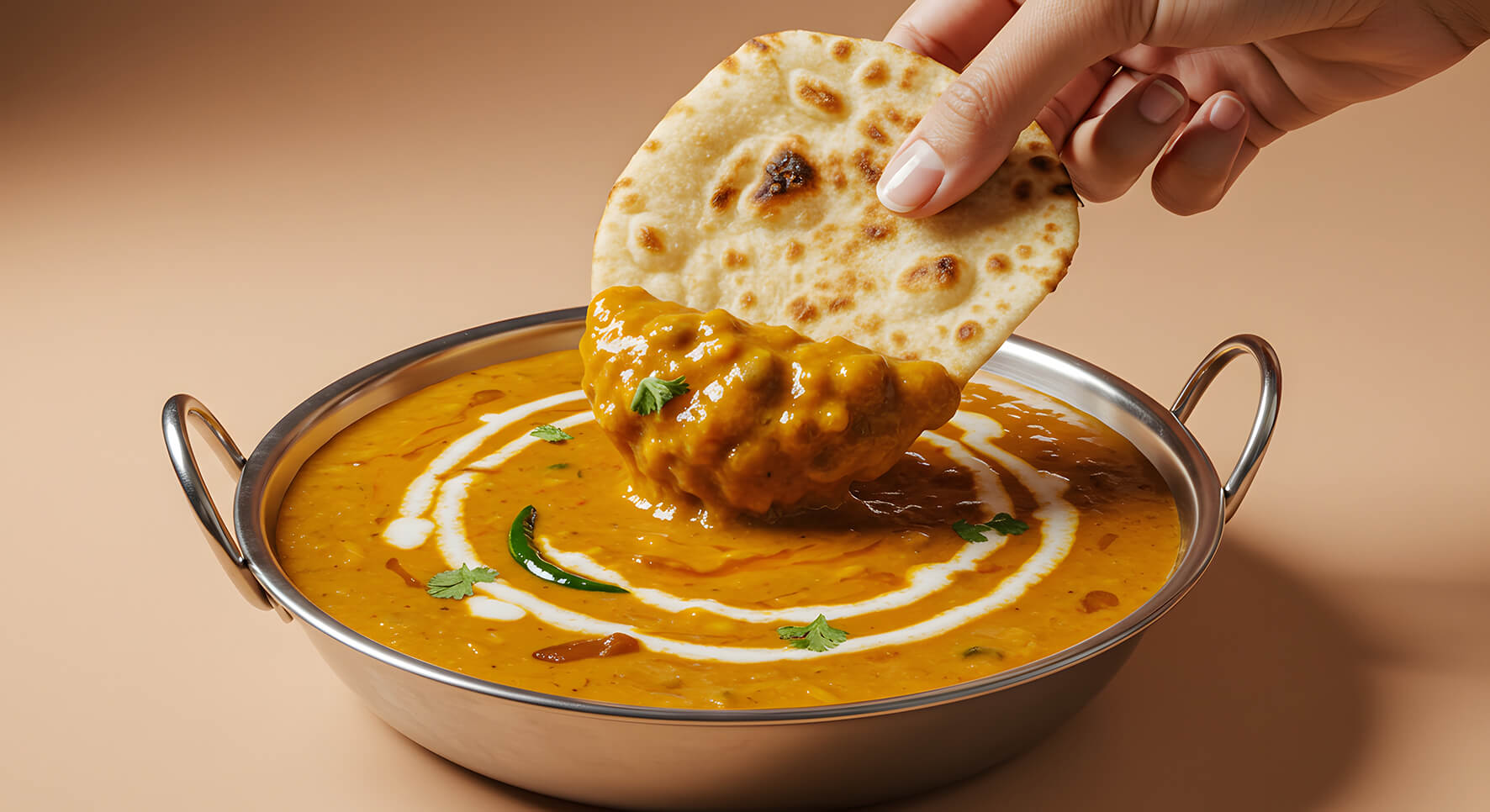
BREAD REPLACES CUTLERY

In the Middle East, North Africa and parts of the Mediterranean region, bread often replaces knives and forks. Flat bread is used to scoop up food and sauces. This custom combines practical eating with communal sharing.
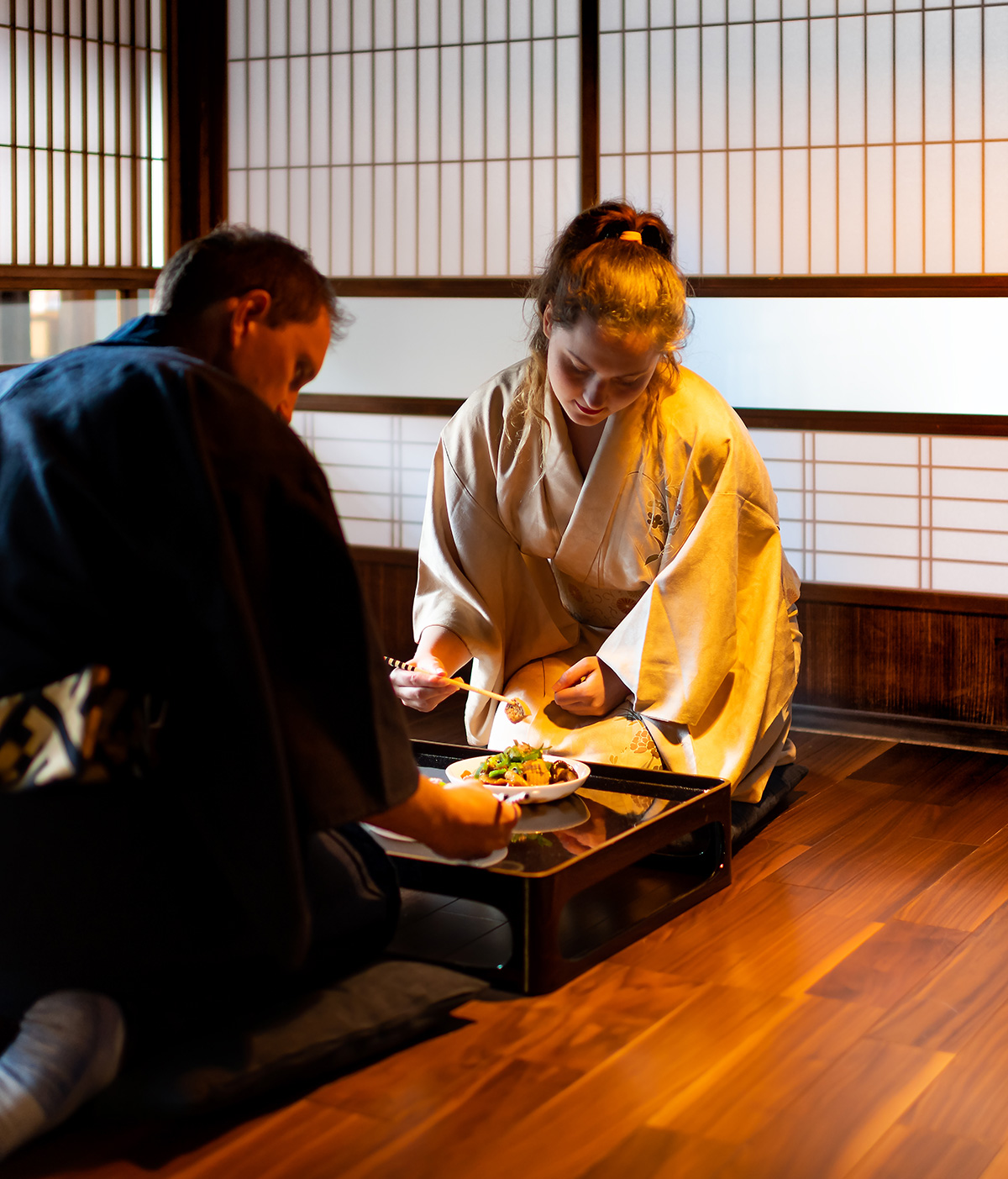
EATING WHILE SITTING ON THE FLOOR

In Japan, India and parts of South-east Asia, meals are traditionally eaten while sitting on the floor. The low table height creates closeness and tranquillity. This attitude stands for mindfulness, respect and conscious communal eating.
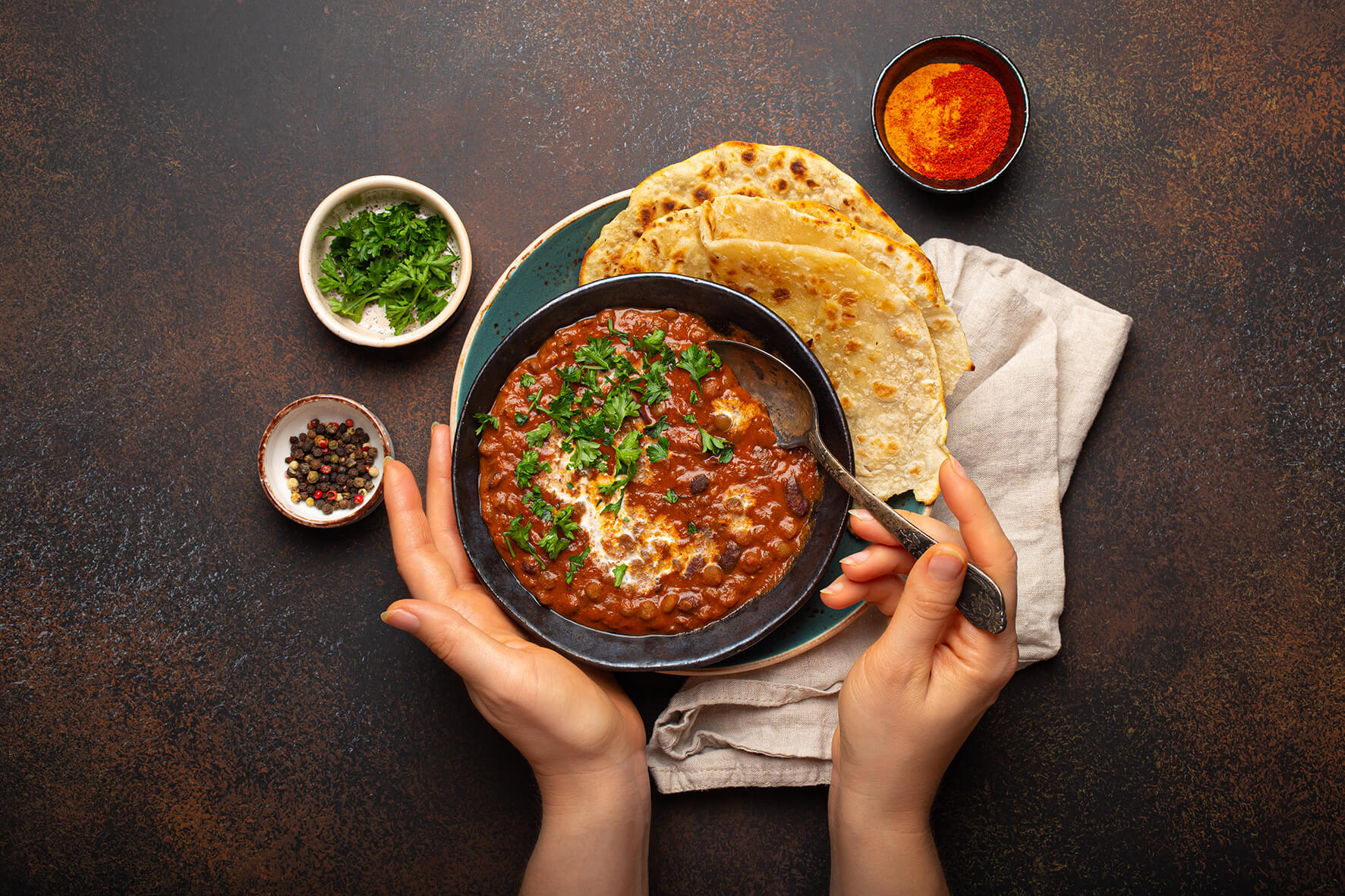
EATING WITH THE RIGHT HAND

In India, as well as in many regions of the Middle East and Africa, people exclusively eat with their right hand. The left hand is traditionally considered unclean. This rule is an expression of cultural values and deeply rooted table traditions.
DISCOVER THE SPICES OF THE WORLD

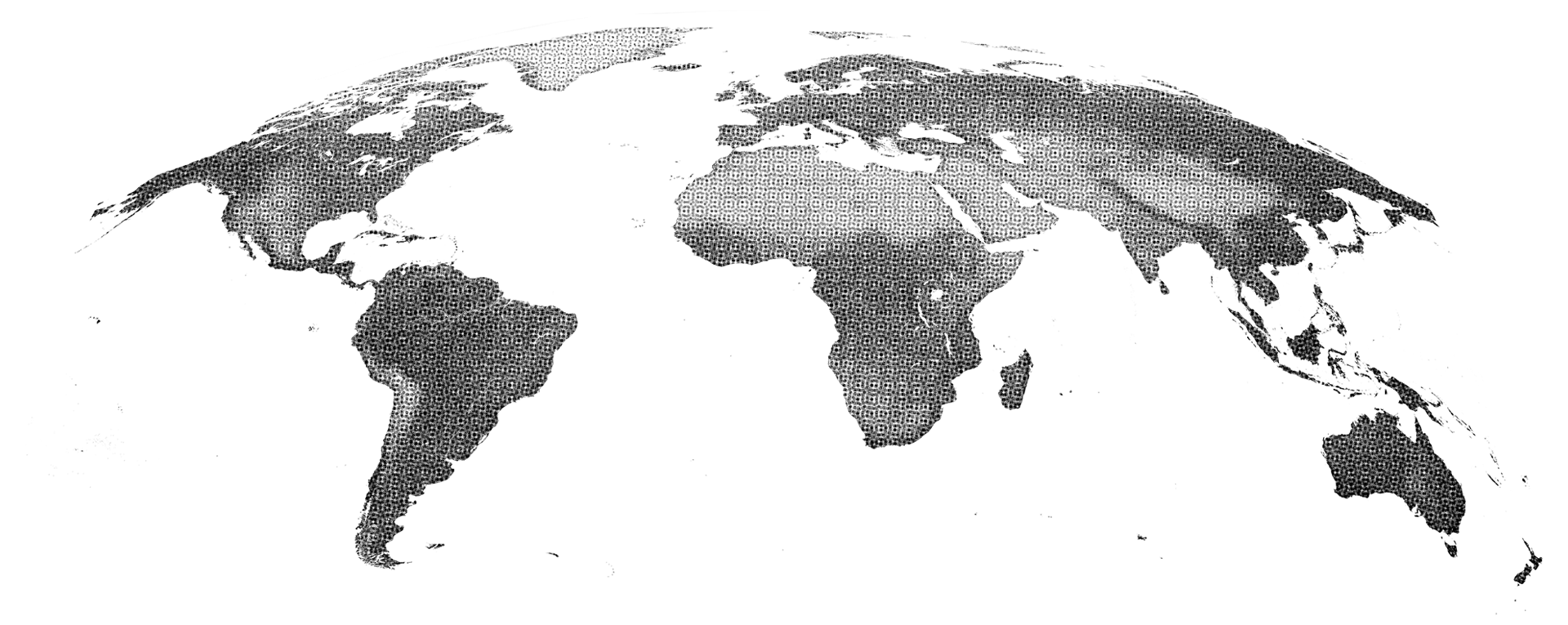
Spices are the respective cuisine’s passport. They say a great deal about the regions, climate and traditions, and give dishes their distinctive character. From warm, earthy notes to fresh spiciness, they characterise food cultures around the world. On the world map, we show where spices come from, and how they influence the flavours of different countries. This turns every meal into a little voyage of discovery.

Visual einer Weltkarte
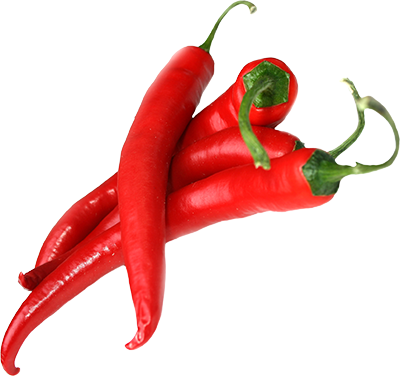
4 Chillischoten überlagern sich
Frische Vanilleschoten
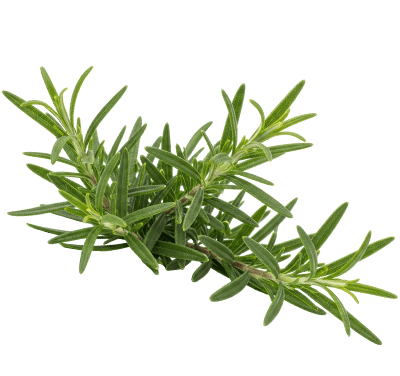
Rosmarinzweig
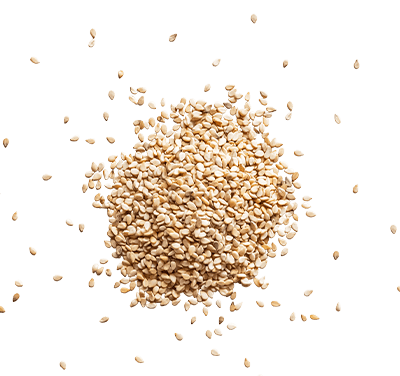
Ein kleines Häufchen Sesam
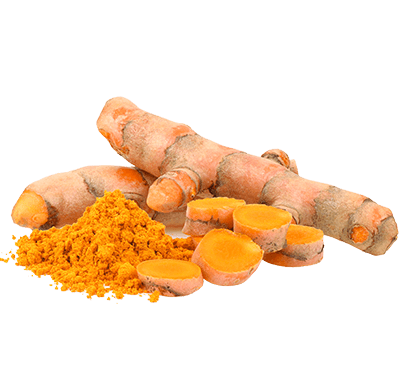
Aufgeschnittener Curcuma
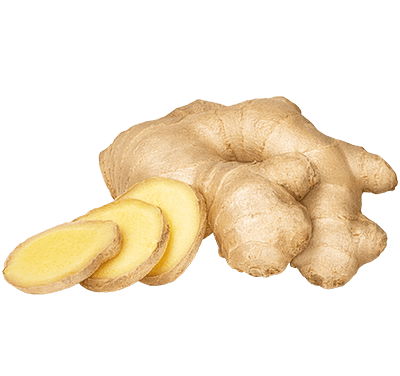
Aufgeschnittener Ingwer
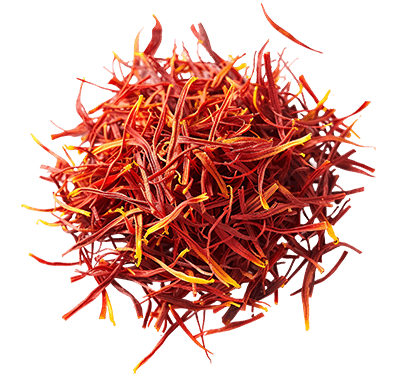
Ein kleines Häufchen Safran

Culinary workmanship worldwide

PREPARATION METHODS FROM AROUND THE WORLD

How food is prepared is as important as the ingredients themselves. Whether cooked over open embers, in a closed clay pot or steamed gently, each method tells a story about climate, culture and craftsmanship. Discover three special techniques that shape cuisine around the world.

SNACKS FROM AROUND THE WORLD TO TRY YOURSELF

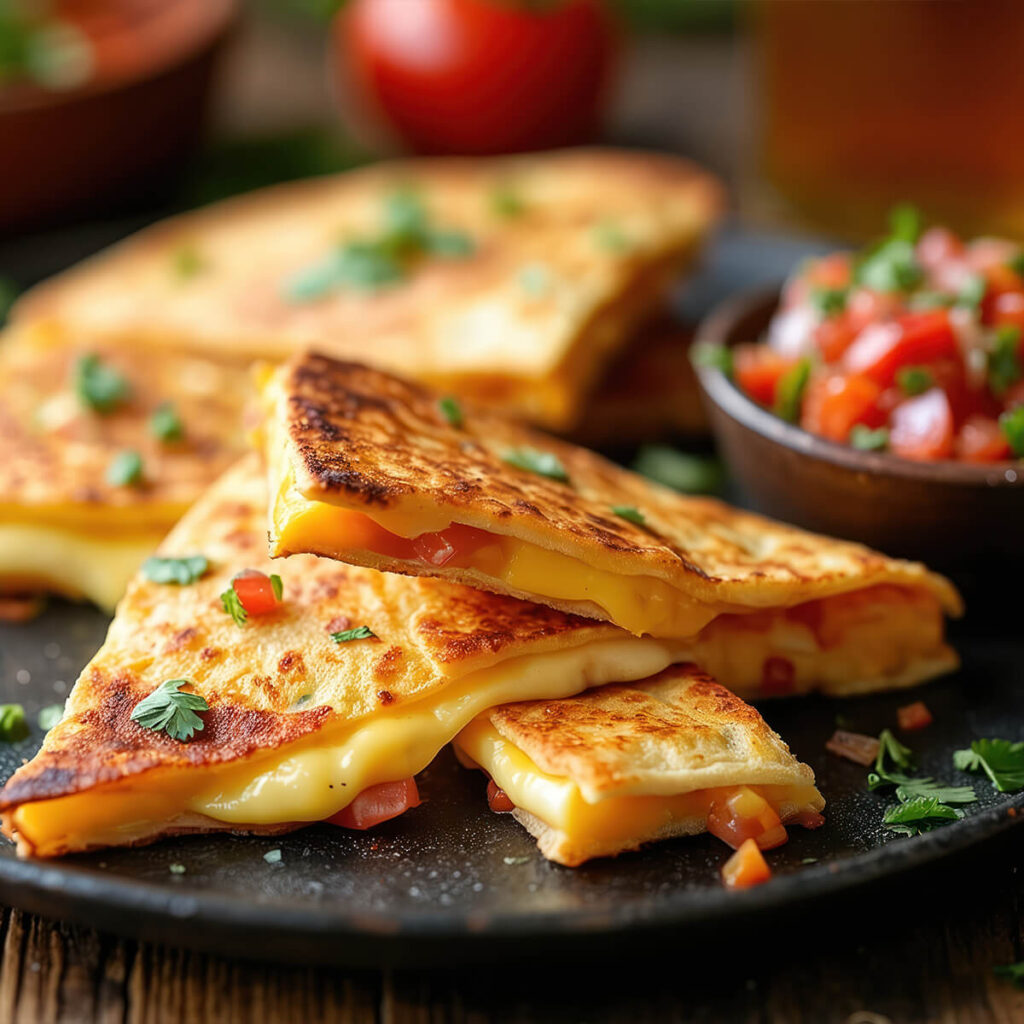
Zu sehen sind mehrere goldbraun gebratene Quesadillas, die in Dreiecke geschnitten und auf einem dunklen Teller angerichtet sind. Die Tortillas sind außen knusprig geröstet und innen mit geschmolzenem Käse gefüllt, der leicht herausläuft. Kleine gewürfelte Tomatenstücke sind in der Füllung sichtbar.

MEXICO: QUESADILLAS

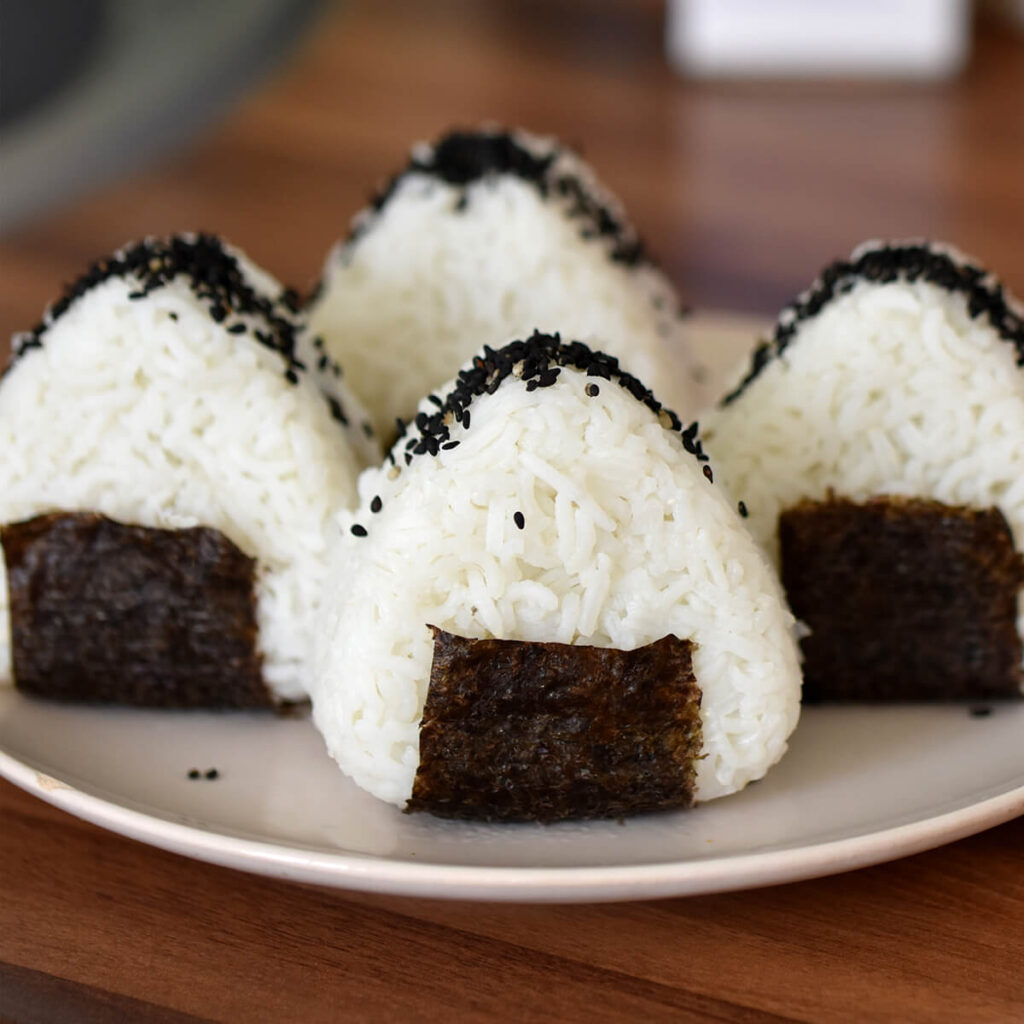
Japan: Onigri

Onigiri mit schwarzem Sesam
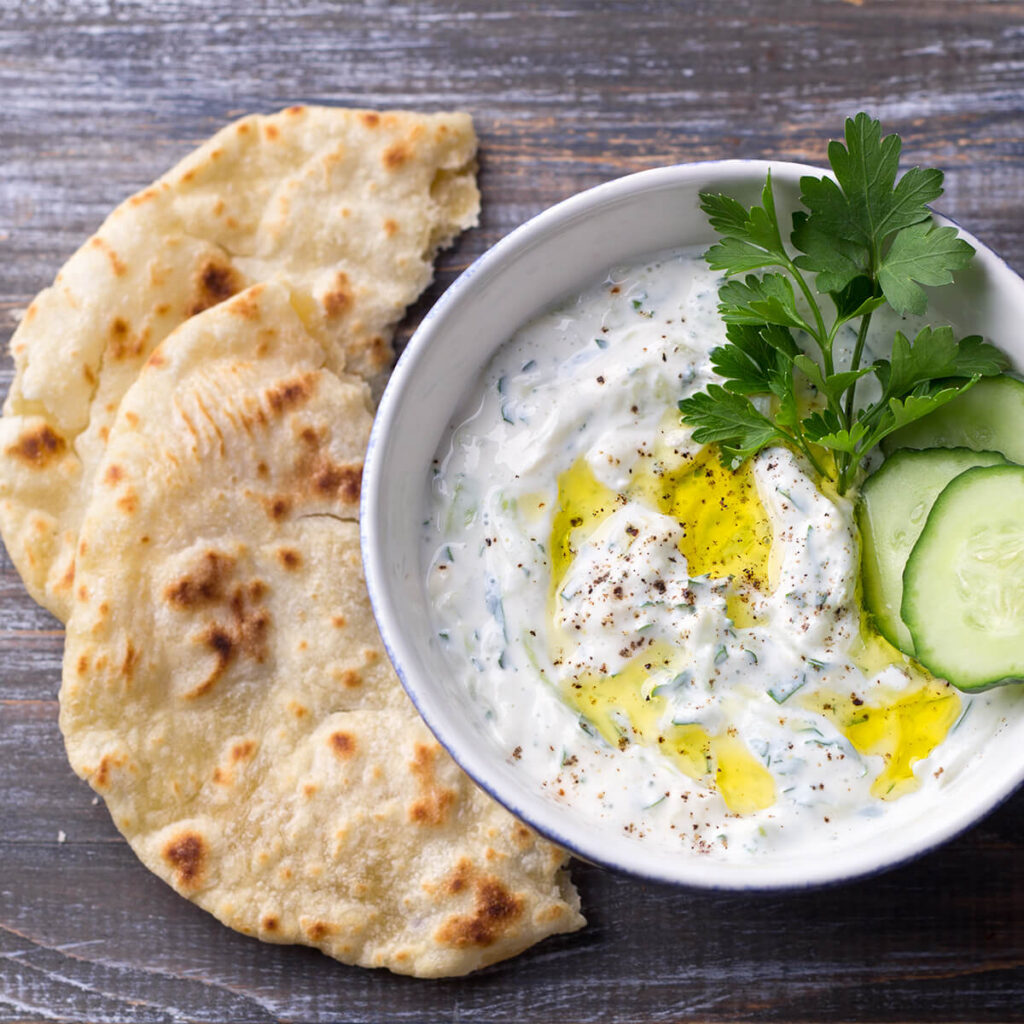
Pitabrot und eine Schale mit Tzatziki-dip garniert mit frischer Gurke und Blattpetersilie

GREECE: PITA WITH TZATZIKI

COMPETITION

Which culinary experience has remained particularly memorable for you during a trip?

Send us your photo of your highlight by email to catering-aktionen@apetito-catering.de or use our form.

Prizes

A CAMERA

A PICNIC SET

A WORLD MAP,
2 WINNERS

WordPress Cookie Hinweis von Real Cookie Banner